Yes, a locksmith can open a safe. But the process, the time it takes, and the cost vary significantly depending on the type of safe, the locking mechanism, and the reason it is not opening. Calling a locksmith for safe opening without understanding what is involved can lead to surprises. This guide covers everything from how the opening process works to what methods are used, what affects the cost, and when a locksmith is the right call versus when you need a specialist.
Why Safes Get Locked Out in the First Place
Before understanding how a locksmith opens a safe, it helps to know why safes stop opening. The causes fall into a few clear categories.
Forgotten combination or PIN – This is the most common reason. A combination or code that has not been used in a while gets forgotten, or the person who knew it is no longer available. Electronic safes with user-programmed codes face this regularly.
Dead battery on an electronic lock – Most electronic safe locks run on a 9-volt battery. When the battery dies, the keypad goes dark, and the lock stops responding. Some safes have an external battery terminal that allows emergency power to be applied. Others need a different approach.
Damaged or malfunctioning lock – Mechanical combination dials wear over time. Internal components shift. A lock that worked fine six months ago may fail to align correctly when dialled, even with the correct combination. Electronic locks can also malfunction due to internal circuit failure.
Lost or broken key – Some safes use a key override alongside a combination or code. If the key is lost or broken in the lock, the safe becomes inaccessible through the standard method.
Incorrect user override code – Many electronic safes go into lockout mode after a set number of incorrect code attempts. Once in lockout mode, the safe will not respond to any input for a period ranging from a few minutes to several hours, and some require a factory reset code to restore access.
Relocated or purchased a safe without the combination – Buying a used safe, inheriting one, or acquiring one as part of a property purchase often means the combination or factory code is unknown.
How a Locksmith for Safes Opens a Locked Safe
A qualified locksmith for safes uses several different methods depending on the safe type, the lock mechanism, and the condition the safe is in. Not every method works on every safe, which is why an experienced technician assesses the situation before choosing an approach.
Manipulation
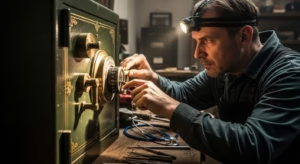
Manipulation is the process of opening a combination dial lock by listening to and feeling the internal disc or wheel movements as the dial is turned. The locksmith reads the mechanical feedback from the lock without any tools beyond the dial itself. This is a skill-based process that can take anywhere from 30 minutes to several hours, depending on the lock complexity. It leaves no damage to the safe or the lock mechanism. For quality mechanical combination safes, manipulation is the preferred first approach because it preserves the safe’s full functionality.
Scoping
Scoping uses a borescope, which is a small camera inserted into a drill hole to view the internal lock components directly. By seeing the wheel positions and the gate alignment, the technician can determine the combination without guessing. The drill hole is minimal and can be repaired after the safe is opened. Scoping is faster than pure manipulation and is used on higher-security safes where manipulation alone is not practical.
Drilling
Drilling is the most direct method and involves removing or bypassing the lock mechanism entirely through a targeted drill point. A skilled locksmith knows the exact location on each safe model where a drill creates the fastest path to the lock components. On basic to mid-range safes, drilling takes minutes. On high-security safes with anti-drill plates, hardened steel pins, and relockers, drilling is time-intensive and requires specific equipment. Drilling causes permanent damage to the lock, which means the lock or the bolt mechanism needs to be replaced after the safe is opened.
Decoding Electronic Locks
For electronic combination locks, a technician may use diagnostic tools that interface with the lock’s circuit to retrieve or reset the access code. This depends on the lock brand and whether the manufacturer has a service override process. Sentry Safe, for example, has a locksmith override process that authorised technicians can access for certain models.
Bypass Methods
Some safes have design vulnerabilities that allow access through non-destructive bypass techniques. These are model-specific and exploit features of the safe’s construction rather than attacking the lock directly. A technician with knowledge of the specific model can open the safe without any damage to the lock or the door.
Can Any Locksmith Open a Safe?
Not every locksmith has the training and equipment to open all types of safes. A residential locksmith who handles door locks and car keys may not have experience with high-security burglary-rated safes or know the specific drill points for different safe models.
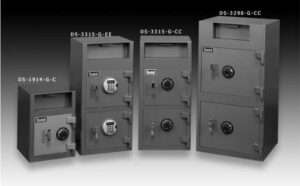
Safe opening is a specialist area within the locksmith trade. It requires knowledge of lock mechanisms, manipulation techniques, specific tools like borescopes and carbide-tipped drill bits, and familiarity with the product lines from major safe manufacturers, including Gardall, Amsec, Mosler, Diebold, and others.
For high-security safes rated TL-30 or above, the opening process requires more than a general locksmith’s skill set. These safes are designed to resist exactly the methods a standard locksmith would attempt. Opening them without damaging the contents or creating more problems than the lockout itself requires a technician who works with these models regularly.
What Affects the Cost of Safe Opening
Safe opening cost varies widely based on several factors that a technician assesses before providing a quote.
- Safe type and security rating – A basic home safe takes far less time and expertise to open than a TL-30 commercial safe. Cost reflects that difference.
- Method required – Non-destructive manipulation costs less in parts because nothing gets damaged. Drilling requires lock replacement afterward, which adds to the total cost.
- Safe brand and model – Some models are widely serviced and well-documented. Others are obscure or discontinued, which requires more research time before work begins.
- Time of call – Emergency calls outside business hours carry a higher rate.
- Location – A technician traveling to a commercial property in Manhattan bills differently from a local call in a nearby borough.
For a basic residential safe opened by manipulation or bypass, the cost typically falls between $150 and $400. For a commercial burglary safe requiring drilling and lock replacement, the cost can run from $400 to $1,500 or more, depending on the safe and the replacement lock required.
What Happens After the Safe Is Opened
After access is restored, the next step depends on what method was used.
If the safe was opened non-destructively through manipulation or bypass, the lock is still intact and fully functional. A combination change or a code reset is recommended to restore security after the opening, particularly if the reason for the lockout was a forgotten combination. Safe combination change services handle this as a follow-up to the opening.
If the safe was drilled, the lock mechanism needs replacement. Depending on the safe model, a replacement lock of the same or higher security grade can be fitted. The safe body remains intact and functional with a new lock installed.
If the electronic lock failed due to a dead battery, replacing the battery restores normal operation in most cases. If the circuit board itself failed, a lock replacement with a compatible electronic unit is the solution.
When Should You Call a Locksmith vs Contact the Manufacturer?
For most lockout situations, a qualified safe locksmith is the faster and more practical option. Manufacturers require proof of ownership, sometimes require the safe to be shipped, and do not offer on-site service.
A locksmith comes to your location, assesses the situation, and opens the safe on the same visit in most cases. For businesses in New York City where the contents of a safe are needed urgently, waiting days or weeks for a manufacturer’s response is not a realistic option.
According to the Associated Locksmiths of America, certified safe technicians hold specific credentials for safe and vault work separate from general locksmith certification. When selecting a locksmith for safe opening, confirming that the technician holds safe and vault certification protects you from someone attempting a job beyond their training.
Situations Where a Locksmith Will Not Open a Safe
A licensed locksmith will not open a safe without verifying that the person requesting the service has the right to access it. This is a legal and professional requirement, not a formality.
Before any work begins, a technician will ask for:
- Proof of ownership, such as a purchase receipt or registration document
- Government-issued identification
- For commercial properties, documentation showing authority over the safe
If ownership cannot be established, no reputable locksmith will proceed. This protects both the technician and the property owner from situations where a safe is being accessed without authorization.
What About Emergency Safe Lockouts?
Emergency lockout situations where a business cannot access its cash, documents, or critical contents are treated with priority. A 24-hour safe locksmith service responds to these calls outside of regular business hours without requiring an appointment or advance booking.
For NYC businesses, a safe lockout emergency response that arrives within a reasonable time and opens the safe without damaging the contents is worth the premium over a scheduled service call.
Get Your Safe Opened in NYC With City Safe and Vault
City Safe and Vault provides locksmith for safe opening and full safe services across New York City, covering all safe types from basic home models to high-security commercial vaults. If your safe is locked and you need it opened, or you want a combination change or lock upgrade after a lockout, contact us, and we will come to your location, assess the situation, and open your safe using the method that protects both the safe and its contents.