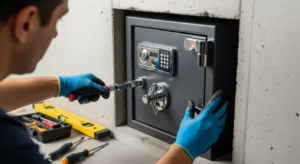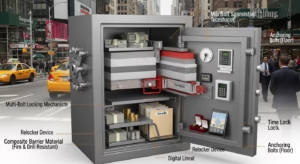
Installing a safe may seem simple, but many people make mistakes that reduce security or cause damage. Whether you buy a small home safe or a large commercial one, following the right steps matters. Avoiding common errors ensures your valuables stay protected. In this guide, we highlight the most frequent mistakes people make during safe installation in NYC and how to prevent them.
Choosing the Wrong Location
Many people place safes in easy-to-reach spots. While convenience matters, security comes first. Avoid placing a safe near doors, windows, or areas visible to visitors. Burglars often target safes that they can see quickly.
Another common mistake is placing a safe on weak surfaces. Wooden floors or hollow walls may not support heavy safes. Anchoring the safe to a solid concrete floor or reinforced wall provides better protection.
Avoid damp areas like basements or attics. Moisture can damage the safe and its contents over time. Choose a dry, secure, and discreet location.
Ignoring Manufacturer Instructions
Skipping the instructions that come with a safe can create problems. Each safe model has unique requirements. Ignoring them can weaken the security or cause damage to the safe.
For example, some safes need specific clearance for opening doors fully. Others require bolts or anchors in certain ways. Follow every step carefully. Read the manual completely before starting the installation.
Do not assume you know the best method. Following the manufacturer’s directions saves time and prevents costly mistakes.
Also read: Top 5 Commercial Safes for Protecting Your Valuables in 2026
Not Anchoring the Safe Properly
A major mistake is leaving a safe unanchored. Burglars can carry off even a heavy safe if it is not secured.
Always bolt the safe to the floor or wall. Use the proper tools and hardware. Some safes come with pre-drilled holes. Do not ignore these. Skipping anchoring reduces security drastically.
If you rent or cannot drill into floors, consider a safe that is designed to be heavy and immovable. But remember, proper anchoring is always the best solution.
Using Weak or Wrong Anchors
Even when people anchor safes, they often choose the wrong hardware. Using weak bolts, short screws, or inappropriate anchors makes the installation unsafe.
Always use the bolts and anchors recommended by the safe manufacturer. Check the weight rating of anchors. Heavy safes need strong, high-grade bolts.
Avoid cheap or small screws. They may hold temporarily but fail under force. Take the time to use correct anchors for lasting security.
Placing the Safe on Uneven Surfaces
A common mistake is placing a safe on a surface that is not level. An uneven surface can cause the door to jam or the locking mechanism to misalign.
Check the floor with a level tool before installing. If needed, use a sturdy platform or leveling pads to create an even base. A level surface ensures smooth operation and prevents damage over time.
Overlooking Door Clearance
Many safes need room for the door to open fully. People often install safes in tight corners or against walls that block door movement.
Measure the space around the safe before installation. Allow enough room for opening, closing, and operating the lock. Poor clearance can make the safe difficult to use and may damage the hinges or door.
Installing Without Proper Tools
Trying to install a safe with the wrong tools leads to mistakes. People use household tools that cannot handle heavy bolts or concrete drilling.
Use the correct drill bits, wrenches, and anchors for your safe. Check the manufacturer’s recommendations for tools. Using proper tools ensures bolts fit tightly and the safe remains stable.
Do not improvise with makeshift tools. They can strip bolts, damage surfaces, or misalign the safe.
Ignoring Weight and Handling Guidelines
Some people underestimate how heavy safes are. Moving a safe alone or without proper equipment is risky.
Heavy safes can injure installers or damage floors. Always get help. Use a dolly, straps, or lifting equipment if needed. Follow weight handling instructions.
Do not drag the safe across the floor. Sliding a heavy safe can scratch floors and damage the bottom of the safe.
Skipping Security Enhancements
Some people stop after bolting the safe in place. They forget extra measures that improve security.
For example, anti-pry plates, reinforced doors, or floor anchors increase protection. Installing the safe without these features leaves it vulnerable.
Consider additional security layers like alarms, surveillance, or hidden placements. These precautions complement the safe’s built-in security.
Forgetting Environmental Protection
Safes protect against theft, but some contents need protection from fire, water, or humidity.
Ignoring environmental risks can destroy valuables even if the safe stays intact. Fire-resistant and waterproof safes exist for these reasons.
Do not install a safe in areas prone to flooding, heat, or moisture. Check product ratings and follow environmental guidelines.
Install Top Quality Safe With City Safe And Vault
Secure your valuables by choosing City Safe and Vault for safe installation. We provide top-quality safes designed to protect against theft, fire, and water damage. Our expert team ensures precise installation, anchoring your safe to floors or walls for maximum security. We guide you in selecting the right model for your home or office and handle every step efficiently.
With City Safe and Vault, you avoid common installation mistakes like weak anchoring, poor placement, or improper lock setup. Call us now for expert safe installation in NYC.